

Blog
Understand calories, macros and your weight
Practical guides to everyday meals, protein, portions and weight trends, with examples and sources you can check.
Calories in Vietnamese food
Banh mi calories: a chart of 16 kinds
One banh mi can be anything from 100 to almost 1,000 calories. Most of the difference is in the filling and the spread, not the bread.
Bun calories: a chart of 23 vermicelli dishes
Vietnamese noodle soups are lighter than they look, and bun cha is heavier than most people think. Calories per weighed serving and per 100 g, with what makes the difference.
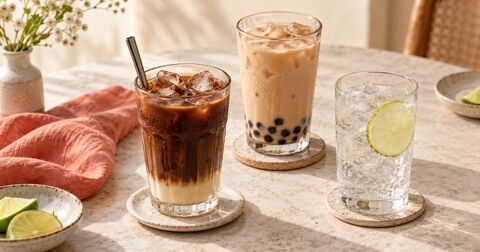
Bubble tea and Vietnamese coffee calories
A bubble tea can be as much as a meal, and Vietnamese iced coffee is light or heavy depending on the condensed milk. Measured numbers, and how to estimate your own cup.
How many calories are in pho? A chart of 21 kinds
A regular bowl of beef pho is about 345 calories — lighter than most people assume, and lighter than almost anything else you can order for lunch.
Vietnamese food calories: a chart of 40 dishes
Most Western calorie apps guess at Vietnamese food, because their databases were built from Western supermarkets. These numbers come from the Vietnamese tables instead.
Calories and daily needs
BMR vs TDEE: how many calories do you need?
Resting energy is only part of your daily needs. Learn which number to use, what the calculator assumes, and how to check it against real life.
What is a calorie deficit? A practical starting guide
A deficit is a gap between energy intake and expenditure over time. Start with a workable routine, then check the trend instead of chasing daily scale changes.
Calories vs kcal: how to read food energy labels
A food label showing 200 kcal means 200 dietary calories. The next thing to check is how much food that number describes.
Protein, carbs, fat and fiber
Carbs and weight loss: do you need to give up rice?
Rice, noodles and bread can stay on the menu. Understand the portion and the rest of the meal before deciding to cut out a whole food group.
Dietary fat and calories: how to count oils and nuts
Fat is part of a balanced diet and a concentrated source of energy. Measuring a familiar cooking habit can be more useful than banning an ingredient.
How much fiber per day? Build it into everyday meals
Fiber deserves attention alongside calories and protein. Start with one meal, use the label when available, and increase gradually.
What are macros? Protein, carbs and fat explained
Macros describe where food energy comes from. Learn the three numbers without turning every meal into a perfect-ratio challenge.
How much protein per day? A guide for active adults
Protein needs depend on context. Here is how to read a grams-per-kilogram recommendation and translate it into food you already eat.
Weight trends
How to gain weight gradually with balanced meals
A useful weight-gain plan starts with meals you can repeat. Add manageable portions, keep food variety, and use the trend to review the plan.
Why does weight fluctuate? Read the trend, not one day
A higher reading tomorrow does not tell you how much body fat changed. Comparable measurements and a longer view give the number more context.
Weight-loss plateau: what to check before eating less
A flat week is not enough to explain what is happening. Check the trend and the routine before deciding that a larger calorie cut is the answer.
Everyday eating
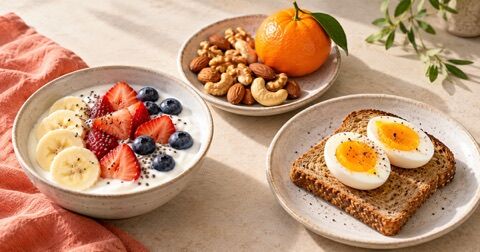
Balanced snack ideas: portions that fit your day
A snack can bridge a long gap between meals or simply be something you enjoy. Match the choice and portion to the situation instead of a universal rule.
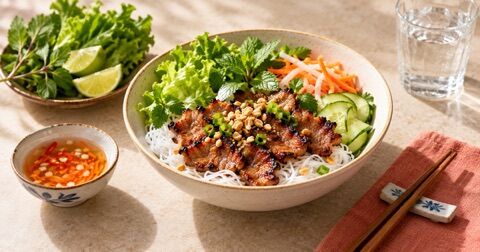
How to track calories when eating out
Restaurant tracking works best as an informed estimate. Notice the meal components, record what you ate and keep the uncertainty in perspective.
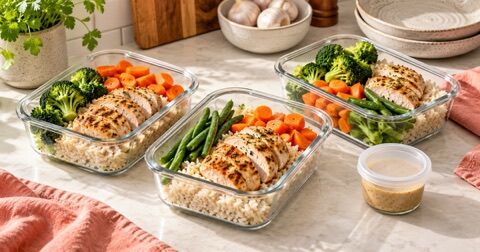
Meal prep for beginners: portions, calories, storage
Start with a few dependable components instead of a week of identical boxes. Portion calculations and a storage plan make meal prep more useful.
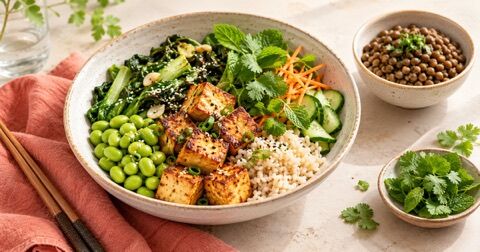
Plant protein: build a filling Vietnamese-style meal
A vegetarian meal needs more than removing meat. Choose a protein component first, then build around rice, vegetables and the flavors you enjoy.

Protein breakfast ideas for busy mornings
Choose a protein food, add a familiar carbohydrate and include fruit or vegetables. A useful breakfast can be simple enough to repeat on a workday.
Weigh food raw or cooked? How to log meals correctly
Either method can work. The crucial step is matching the state of the food on your scale to the state described in the food entry.