

Updated October 13, 2026
What are macros? Protein, carbs and fat explained
By the CaloCalo team
Macros describe where food energy comes from. Learn the three numbers without turning every meal into a perfect-ratio challenge.
Macros are protein, carbohydrate and fat: the three main nutrients tracked in grams in a food diary. They help explain the composition of a meal, while calories describe its energy. You can use both without needing every plate to hit an exact percentage.
What the three macros tell you
Protein supplies amino acids used to build and repair tissues, including muscle; the NIH sports nutrition fact sheet explains its role in training. Carbohydrate is an energy source found in foods including rice, fruit and beans. Fat supplies energy too, and has other functions, including helping absorb some vitamins.
| Macro | Energy per gram | Examples of foods that contain it |
|---|---|---|
| Protein | 4 kcal | Fish, eggs, tofu, yogurt |
| Carbohydrate | 4 kcal | Rice, oats, fruit, beans |
| Fat | 9 kcal | Oil, nuts, seeds, oily fish |
The energy factors are summarized in the NHS guide to dietary fat. Foods usually contain a mixture: tofu is not pure protein, and nuts are not pure fat. Also, 100 g of chicken means the weight of the food, not 100 g of protein.
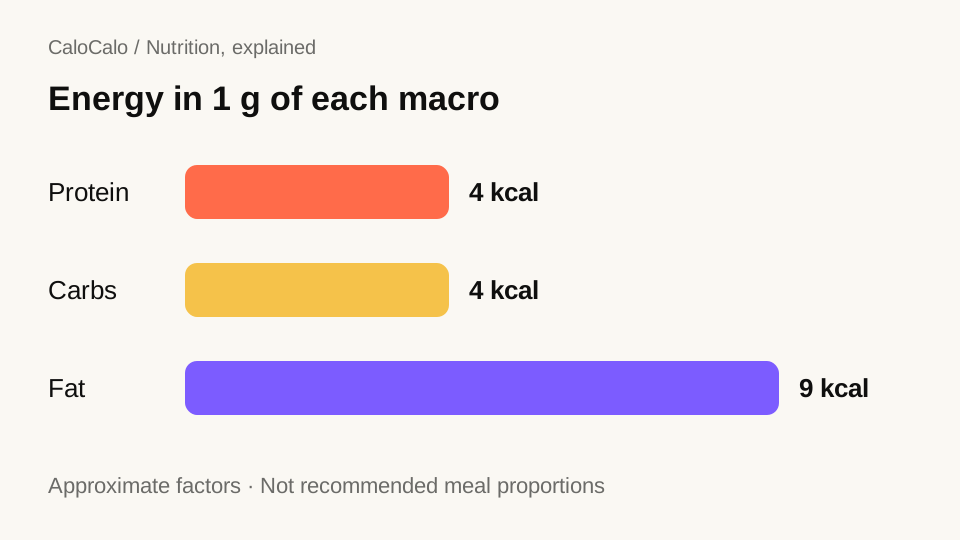
A worked macro calculation
Suppose an illustrative day contains 100 g protein, 250 g carbohydrate and 60 g fat. Protein contributes 400 kcal, carbohydrate 1,000 kcal and fat 540 kcal. The total is 1,940 kcal. This is a calculation example, not a recommended intake or ratio.
To work backward, take the calories assigned to a macro and divide by its energy factor. If a plan allocates 540 kcal to fat, that is 60 g. This also explains why adding 10 g of fat changes the energy total more than adding 10 g of carbohydrate.
Turn the numbers into familiar meals
Start with a meal you already eat. A rice bowl can include rice for carbohydrate, fish or tofu for protein, vegetables for variety, and oil or nuts as a fat source. The ingredients overlap in nutrients, so check the whole meal instead of trying to assign each food to only one box.
For Vietnamese dishes, use the food calorie chart to compare likely portions, then adjust for the actual rice, meat and added fats. If lunch leaves little room for protein at dinner, change the lunch structure next time. There is no need to rebuild every meal at once.
Set useful priorities before choosing percentages
- Estimate your energy needs with the calorie calculator, remembering that the result is a starting estimate.
- Read the protein guide before copying an athlete's target.
- Keep room for carbohydrate foods you enjoy, and choose varied fat sources.
- Pay attention to fiber and food variety; matching three numbers does not guarantee a balanced diet.
CaloCalo displays calories and macros together. Review its portion estimates, then use the diary to spot repeat patterns, such as breakfasts that contain little protein. A small improvement to a meal you eat often is usually more actionable than chasing a perfect chart for one day.
Sources
Common questions
Do I need to count macros to lose weight?
No. Tracking macros is one way to understand your meals, but you can work on portions and meal structure without counting every gram. Choose a method you can use comfortably.
Should my macro percentages be the same every day?
They do not need to be identical. Training, appetite and meal choices vary. Use a plan as a guide and look for a pattern over time rather than trying to erase every small daily difference.
Why do calories and macro calculations sometimes differ?
The 4/4/9 calculation is an approximation. Label rounding and ingredients such as fiber, sugar alcohols or alcohol can make the displayed energy different from a simple macro sum.
Keep reading
How much protein per day? A guide for active adults
Protein needs depend on context. Here is how to read a grams-per-kilogram recommendation and translate it into food you already eat.
Carbs and weight loss: do you need to give up rice?
Rice, noodles and bread can stay on the menu. Understand the portion and the rest of the meal before deciding to cut out a whole food group.
Dietary fat and calories: how to count oils and nuts
Fat is part of a balanced diet and a concentrated source of energy. Measuring a familiar cooking habit can be more useful than banning an ingredient.