

Updated October 13, 2026
Why does weight fluctuate? Read the trend, not one day
By the CaloCalo team
A higher reading tomorrow does not tell you how much body fat changed. Comparable measurements and a longer view give the number more context.
Daily weight changes often reflect water and the contents of your digestive system, not just changes in body fat. A scale measures total mass. It cannot explain why the number moved, so an isolated reading needs context.
What can move the number temporarily?
Cleveland Clinic describes fluid retention, digestion and hormonal changes as common contributors. A salty restaurant meal, a change in carbohydrate intake or the menstrual cycle can affect the reading. Different clothes, a different scale or weighing after dinner instead of before breakfast add further variation.
Write a short note when circumstances change. “Travel day” or “weighed after breakfast” can be more useful than trying to calculate how much of the difference is fat. You do not need to assign a precise explanation to every rise and fall.
Make measurements comparable
The Cleveland Clinic weighing guide recommends a consistent routine. If you choose to weigh, use the same scale on a firm, level surface, at a similar time, with similar clothing. Morning after using the bathroom and before breakfast is a convenient option.
Daily weighing is not required. Choose a frequency that helps rather than overwhelms you. Avoid comparing a lightly clothed morning measurement with a fully dressed evening one and treating the difference as a verdict on that day's meals.
Calculate an average instead of choosing the highest reading
Here is a fictional week of comparable morning weights. Add the readings and divide by the number of measurements. The total is 490 kg, so the seven-day average is 70.0 kg, even though individual readings range from 69.7 to 70.4 kg.
| Day | Weight |
|---|---|
| Monday | 70.2 kg |
| Tuesday | 70.0 kg |
| Wednesday | 70.4 kg |
| Thursday | 69.9 kg |
| Friday | 70.1 kg |
| Saturday | 69.7 kg |
| Sunday | 69.7 kg |
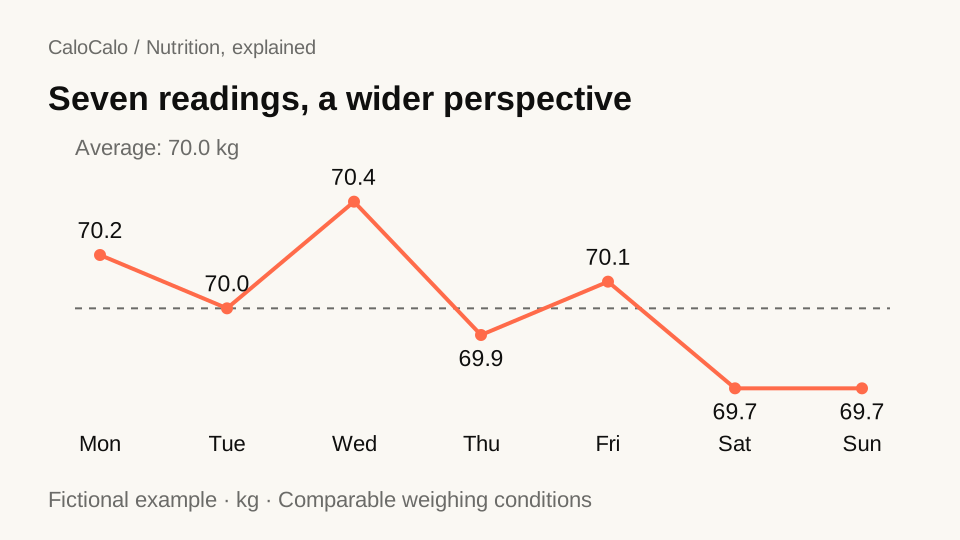
Compare several weeks rather than reacting to Wednesday's peak. An average still reflects water, so a menstrual-cycle pattern may need a longer comparison. If you miss a day, average the readings you have and note that the sample differs.
Choose the next step from the pattern
If the trend is moving as expected and you feel well, one unusual reading is little reason to rewrite your meals. If the pattern has been flat for several weeks, use the plateau guide to review the situation calmly.
CaloCalo's weight history can help you look back at recorded measurements. Keep food estimates consistent too, using the Vietnamese dish chart when needed. Sudden unexplained changes, especially with swelling or shortness of breath, warrant prompt medical advice rather than a diet adjustment.
Sources
Common questions
Can my weight rise while I am following a plan?
Yes. Fluid, food in digestion and measurement conditions can change the scale even when your routine is consistent. A single reading cannot separate those effects from changes in body tissue.
Do I have to weigh myself every day?
No. Daily weighing is optional. A consistent weekly measurement or other progress measures may suit you better, especially if frequent weighing causes anxiety.
Does a weekly average measure body fat?
No. It smooths some day-to-day variation in body weight, but still includes water and other body components. Use it as context, not a body-fat test.
Keep reading
Weight-loss plateau: what to check before eating less
A flat week is not enough to explain what is happening. Check the trend and the routine before deciding that a larger calorie cut is the answer.
BMR vs TDEE: how many calories do you need?
Resting energy is only part of your daily needs. Learn which number to use, what the calculator assumes, and how to check it against real life.
Carbs and weight loss: do you need to give up rice?
Rice, noodles and bread can stay on the menu. Understand the portion and the rest of the meal before deciding to cut out a whole food group.